

What Should I Wear for a Professional Portrait or Headshot?
“What should I wear?” is one of the most common questions people ask before a portrait or headshot session. There is no single colour, outfit or style that works for everyone, and very few absolute rules.
The right choice depends on you, how the photographs will be used, whether we are working in the studio or outdoors, and how your clothing works with your skin tone, hair, background and lighting. A tightly cropped professional headshot also has very different requirements from a full-length or lifestyle portrait.
My advice is usually to bring several options rather than trying to make the perfect decision beforehand. Together we can choose the clothing, colours, neckline, accessories and overall look that photograph well while still allowing you to look recognisably like yourself.
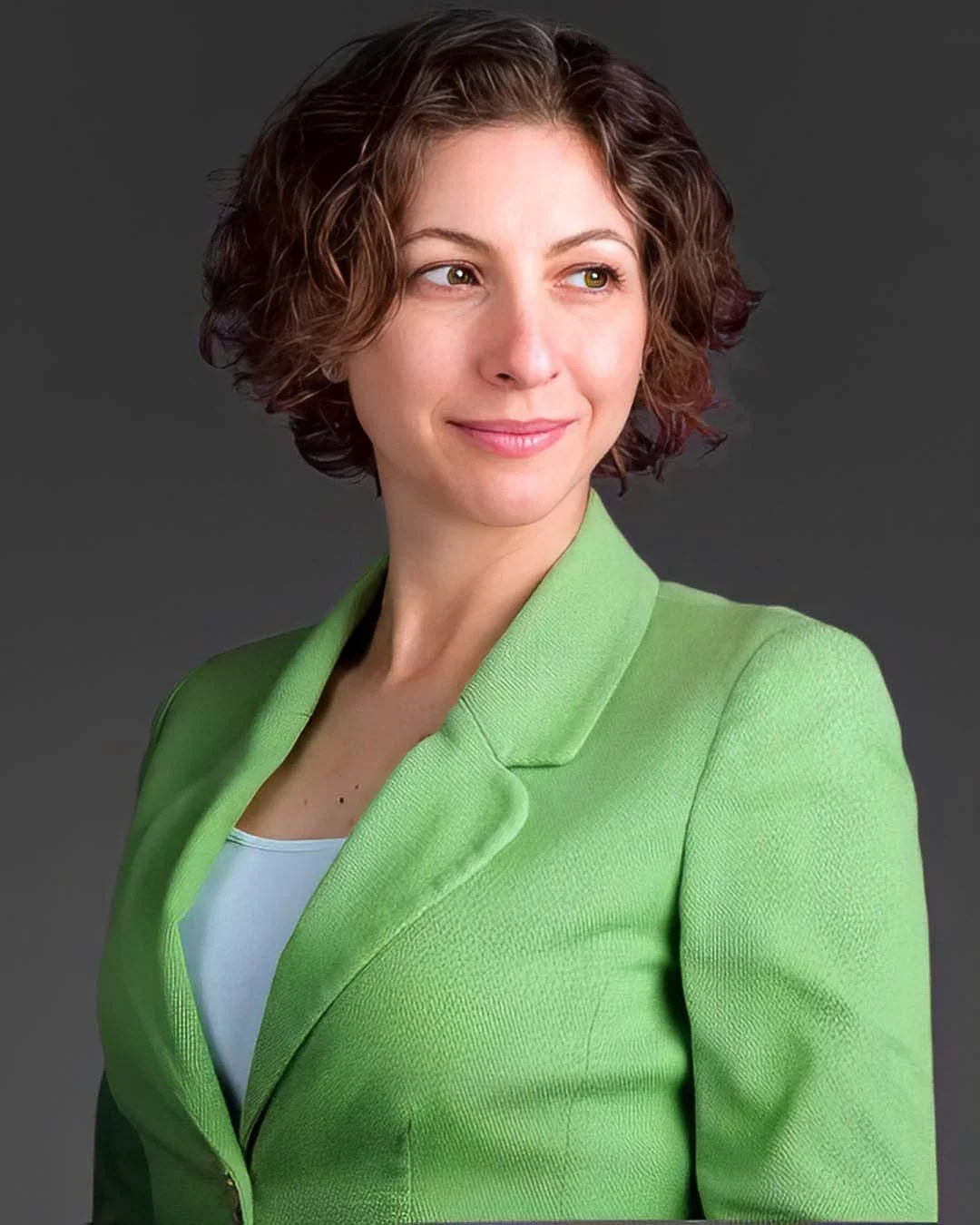
Start With What the Photographs Are For
Before deciding what to wear, think about how the photographs will be used. Clothing that works perfectly for a corporate headshot may not be the best choice for a more relaxed lifestyle portrait or a personal branding session.
For a LinkedIn profile, company website or corporate headshot, the emphasis is usually on the face and upper body. A well-fitting top, shirt, jacket or blazer therefore matters more than the rest of the outfit, particularly if the final photograph will be tightly cropped.
Personal branding photographs often need greater variety. We may create headshots, three-quarter portraits, seated photographs and wider environmental images during the same session. In this case, the complete outfit becomes important and bringing more than one look can help create photographs suitable for different uses.
For contemporary or lifestyle portraits, clothing can be more relaxed and expressive. A dress, tailored trousers, casual jacket or other outfit can all work well if they suit your personal style and the location. For full-length portraits, shoes, the overall silhouette and how the clothing moves when sitting or walking also become part of the photograph.
The aim is not simply to look “professional”. It is to choose clothing that feels appropriate for you, for the photographs we are creating and for the way you want to present yourself.
Choose Colours That Work With You
There is no single “best” colour for a portrait or headshot. Navy, charcoal, blue, green and other mid-tones are often safe choices, but the most flattering colour depends on your skin tone, hair, the background and the lighting we are using.
I also look at tonal separation. Clothing that is very similar to your skin in colour or brightness can sometimes compete with the face or make the portrait feel flatter. That does not mean pale colours, white or cream should automatically be avoided. In the right setting they can work beautifully, particularly when the lighting and background create enough separation.
The same applies to very dark clothing. Black can look elegant and professional, but against a dark background it may lose definition unless the lighting is designed to separate the subject from the background.
Rather than following rigid colour rules, I prefer to look at the whole picture: your colouring, your clothing, the background and the purpose of the photograph. Bringing two or three alternatives gives us the flexibility to choose what works best once we see everything together.
Patterns, Texture and Fit
Plain colours are often the easiest choice for portraits because they allow attention to remain on the face, but that does not mean patterns should always be avoided.
Very fine stripes, checks and closely repeated patterns can sometimes cause visual interference or moiré when photographed, particularly when an image is resized for websites or social media. Larger or softer patterns can work well if they do not dominate the portrait.
Texture can be particularly effective. Knitwear, linen, wool and other subtly textured fabrics can add depth and interest without competing with the face in the way that a strong pattern sometimes can.
Fit is equally important. Clothing that pulls, bunches around the shoulders or sits awkwardly at the neckline can become surprisingly noticeable in a close portrait. Jackets and blazers should sit comfortably across the shoulders, while shirts, blouses and dresses should allow you to move and sit naturally.
For a tightly cropped headshot, I pay particular attention to the neckline, collar and shoulders because these may make up most of the visible clothing. For wider and full-length portraits, the complete silhouette and the way the fabric falls become much more important.
Dresses, Trousers and Complete Outfits
For a tightly cropped headshot, whether you are wearing a dress or trousers may make very little difference because the lower half of the outfit may not appear in the final photograph. In that situation, the neckline, shoulders, colour and fit of the upper part of the outfit are usually more important.
For three-quarter, full-length or lifestyle portraits, the complete outfit becomes part of the photograph. A dress can create a clean, continuous silhouette and may work particularly well for a more elegant or relaxed portrait. Tailored trousers can offer greater flexibility, particularly when combined with different tops, jackets or blazers.
There is no rule that one option is more professional than the other. The better choice is the one that suits your personal style, the purpose of the photographs and the location in which we are working.
For personal branding or lifestyle sessions, bringing more than one complete look can be useful. One outfit might be more structured and professional, while another can feel more relaxed and informal. This gives us greater variety and allows the final photographs to be used in different ways.
Studio or Outdoor Portraits: Does What You Wear Change?
Yes. Clothing that works very well in the studio may not always be the best choice outdoors, because the background, light and environment are much less controlled.
In the studio, I can choose the background and shape the lighting to create separation between you and what you are wearing. That gives us more flexibility with very light or very dark clothing, provided the overall tonal balance is working.
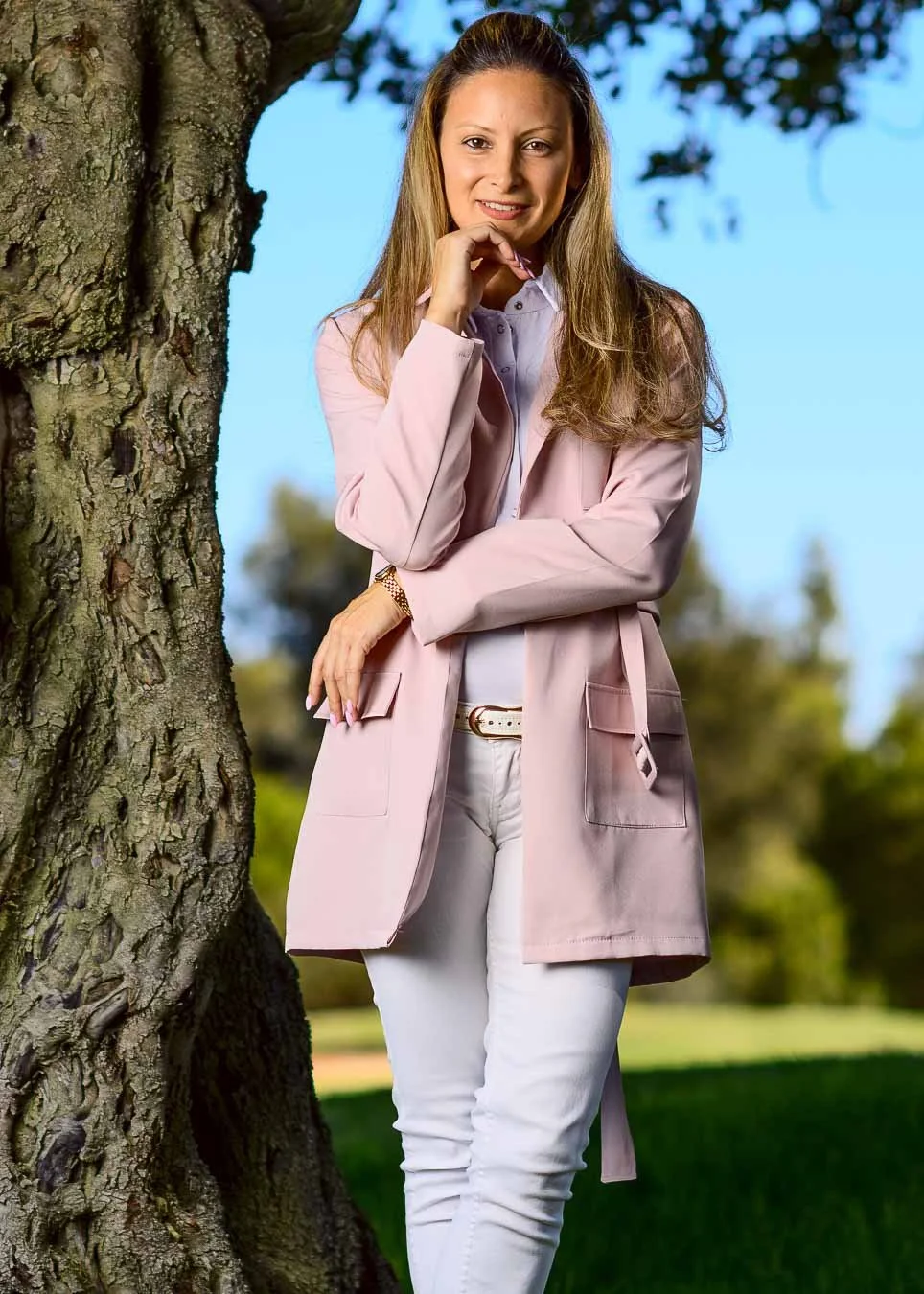
Outdoors, we also need to consider the surroundings. Sea, sky, greenery, pale stone, urban backgrounds and strong Algarve sunlight can all affect how an outfit appears in the final photograph. A colour that looks ideal indoors may blend too closely with the environment or become more dominant than expected outside.
Comfort matters as well. Heat, wind and movement can influence whether a particular outfit works practically. Lightweight fabrics may look attractive but can become difficult in a strong breeze, while heavier or more structured clothing may be uncomfortable in hot weather.
For outdoor and lifestyle portraits, I therefore look at the whole scene: your clothing, skin tone, background colours, available light and the way the fabric behaves when you move. The aim is to choose an outfit that looks natural in the location rather than simply transporting a studio wardrobe outdoors.
Jewellery, Make-up and Hair
Jewellery, make-up and hair can all influence a portrait, but the aim is usually to support your appearance rather than allow any one element to dominate the photograph.
Jewellery does not need to be minimal, but it should feel appropriate to you and to the type of portrait we are creating. Small earrings and simple necklaces are often easy to work with, while larger or more reflective pieces can attract more attention and may become a stronger visual element in the final image.
For make-up, I generally suggest staying close to how you normally like to look, rather than choosing something very different simply because you are being photographed. A natural, well-finished look usually photographs well, and controlling excess shine on the forehead, nose and chin can be helpful under studio lighting.
Foundation should match the skin naturally, particularly around the jawline and neck, as differences in colour can become more noticeable in a high-resolution portrait.
Hair is similar. It should feel recognisably like you. Small adjustments during the session can help if hair is covering the eyes, hiding the shape of the face or interfering with a neckline or piece of jewellery, but there is rarely a need to completely change your normal style.
If you are unsure about any of these details, bring your usual options with you. We can make small decisions together once we see how everything is working with the clothing, lighting and background.
Glasses and Accessories
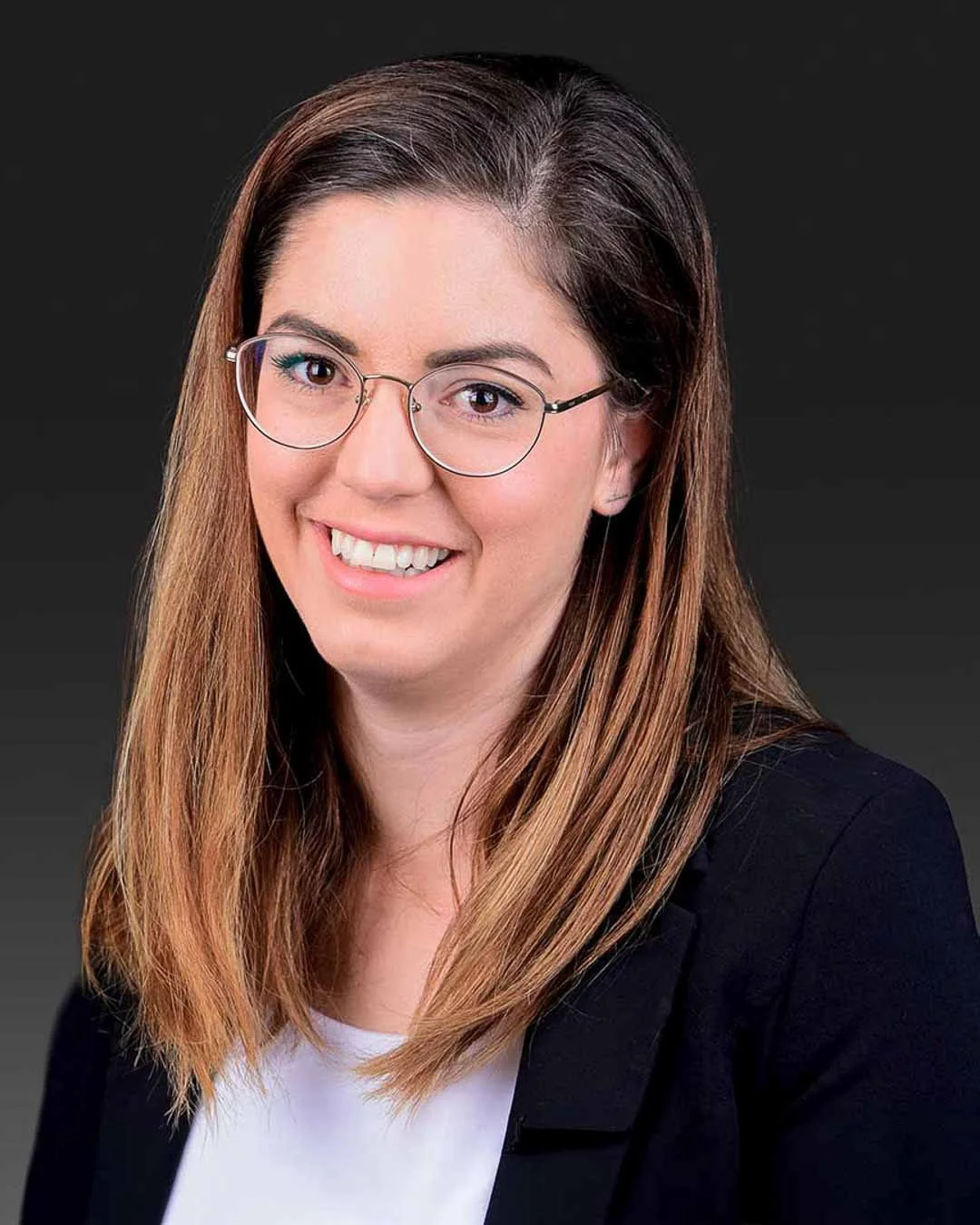
If you normally wear glasses, I would usually recommend wearing them for your portrait or headshot. They are part of how people recognise you and can be an important part of your professional appearance.
Reflections can sometimes be a problem, particularly in the studio, but this is usually something I manage through the position of the lights, your head angle and the angle of the glasses rather than asking you to remove them.
If you have more than one pair, bring them with you. Different frames can change the character of a portrait, and some lenses or coatings are more reflective than others.
Accessories such as scarves, watches or distinctive jewellery can also work well if they feel natural to you. The main consideration is whether they support the portrait or begin to compete with the face.
For personal branding or lifestyle photographs, accessories can sometimes be used more deliberately because they help communicate personality or profession. For a tighter professional headshot, I would usually keep them simpler so that the face remains the main point of attention.
What to Bring to Your Portrait Session
I usually recommend bringing more clothing options than we expect to photograph. Two or three well-chosen alternatives are often enough to give us flexibility without making the session unnecessarily complicated.
Bring clothing clean, pressed and preferably on hangers so that collars, jackets and fabrics arrive looking their best. If we are creating full-length portraits, remember that shoes become part of the photograph too.
If you wear glasses, bring any alternative pairs you regularly use. The same applies to jewellery, jackets, scarves or other accessories you are considering. We can decide during the session which combinations work best rather than trying to settle every detail beforehand.
For outdoor sessions in the Algarve, it can also be useful to bring a spare top, particularly in warmer weather. A small make-up or grooming kit for simple adjustments during the session can be helpful too.
Most importantly, do not feel that you have to make every wardrobe decision on your own. If you are unsure beforehand, you are welcome to send me a few quick photographs of the outfits you are considering, or simply bring the alternatives with you and we can choose together.
Common Questions About What to Wear
Can I wear white or cream?
Yes. White and cream can photograph very well, but I consider how close the clothing is to your skin tone, the brightness of the background and the lighting. Very pale clothing can sometimes compete with the face if everything is similar in tone, while in other circumstances it can look clean and elegant.
Is black a good choice for a portrait?
Black can work extremely well and often creates a simple, polished look. Against a dark background, however, it may need careful lighting so that the shape of the clothing does not disappear. As with lighter colours, it is the combination of clothing, background and lighting that matters.
Should I avoid patterns?
Not necessarily. Strong or very fine repeating patterns can sometimes distract from the face or cause moiré, particularly when photographs are reduced for websites and social media. Subtle patterns and textured fabrics can work very well.
Should I wear a jacket or blazer?
Only if it feels appropriate to you and to the purpose of the photograph. A jacket can add structure and create a more formal or businesslike appearance, but it is not automatically the right choice for everyone. For personal branding or lifestyle portraits, a more relaxed outfit may represent you much better.
What if I still cannot decide what to wear?
Bring alternatives. I would much rather have two or three options available than have you worry about making the perfect choice beforehand. If you are unsure before the session, you can also send me quick photographs of the outfits you are considering and I can advise you.
Planning What to Wear Shouldn't Be Complicated
Choosing what to wear for a portrait or headshot is important, but it should not become another source of stress before your session. The best results usually come from clothing that suits you, feels comfortable and works with the type of photographs we are creating.
Bringing a few alternatives gives us flexibility, and I am happy to help you make the final choices. During the session I will also consider how your clothing works with the lighting, background, location and composition so that attention remains where it should be — on you.
If you are planning a professional portrait, headshot, personal branding or lifestyle session in the Algarve, you can find more information about my Portrait & Headshot Photography sessions.