I do not regard every photograph I make as suitable for printing.
An image that works well on a screen does not always translate successfully to paper. When I consider a photograph for a fine art print, I look at the balance of tone, colour, detail, composition and the way the image holds together when it is viewed as a physical object rather than on a backlit display.
Some photographs benefit from strong colour and contrast. Others work better with a quieter tonal range or a matte paper that gives the image a softer, more painterly character.
The choice of photograph, paper and final print treatment all affect the result. That is one of the reasons I print and inspect the work myself rather than treating printing as an automatic final step.
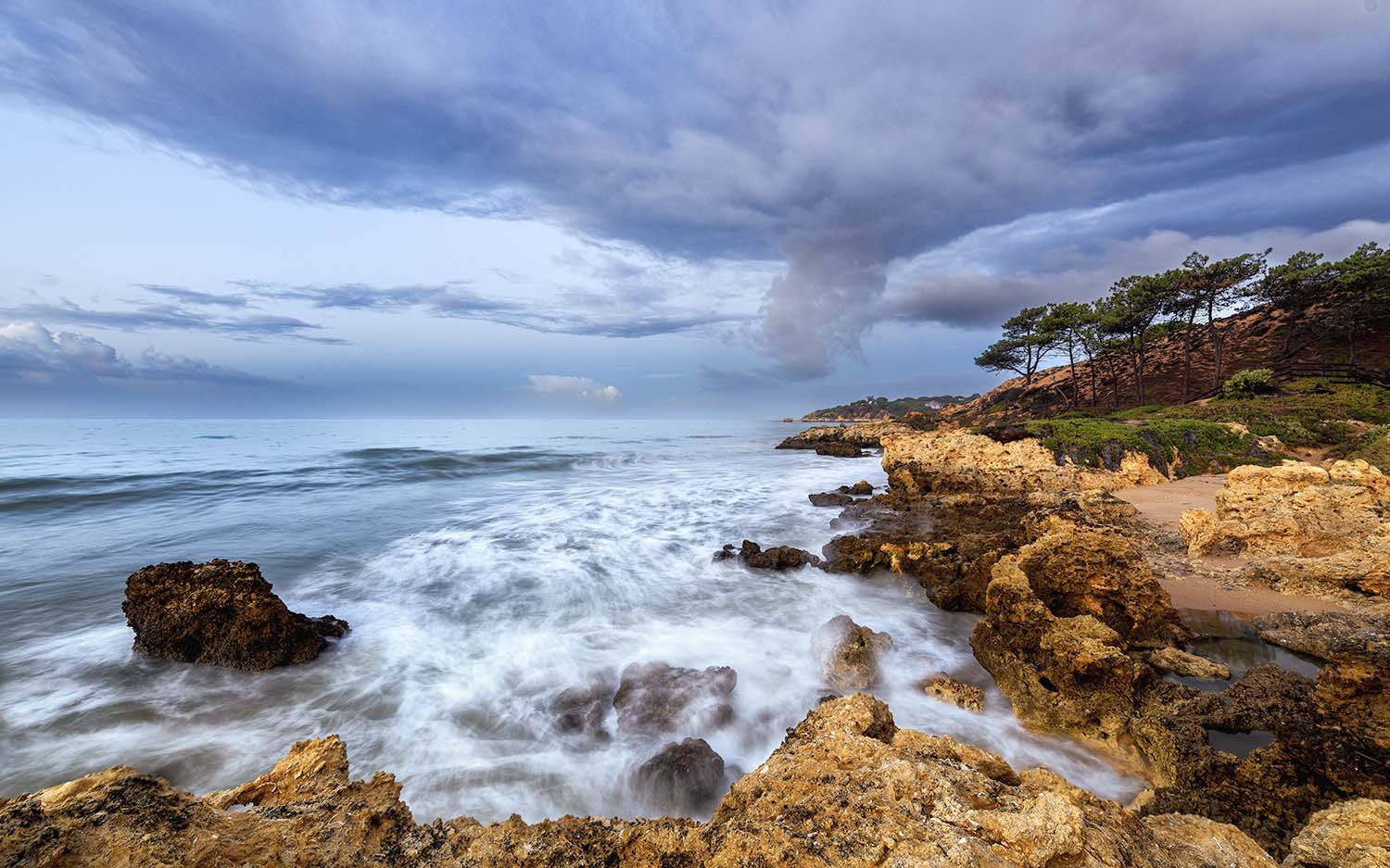
Algarvian Antique Doors
One of the subjects I have returned to repeatedly in the Algarve is the old painted doorway.
What interests me is not simply the door itself, but the combination of colour, weathering, texture, surrounding stonework and the way age has changed the surface over time. Some are very bold; others are faded and understated.
As prints, these images work well because they are graphic without being abstract. The shapes are simple, the colour is often strong, and the detail in the paint and timber gives the photograph something to explore at close range.


Spring Flowers and More Abstract Work
Spring in the Algarve gives me access to a wide range of wildflowers and small natural subjects, and I approach them in two quite different ways.
Sometimes I work close with a macro lens to concentrate on structure, shape and fine detail. At other times I use Intentional Camera Movement to simplify the subject and create something more impressionistic.
These more abstract images often suit matte fine art paper particularly well because the softer surface complements the reduced detail and more painterly appearance.


Southern England Landscapes
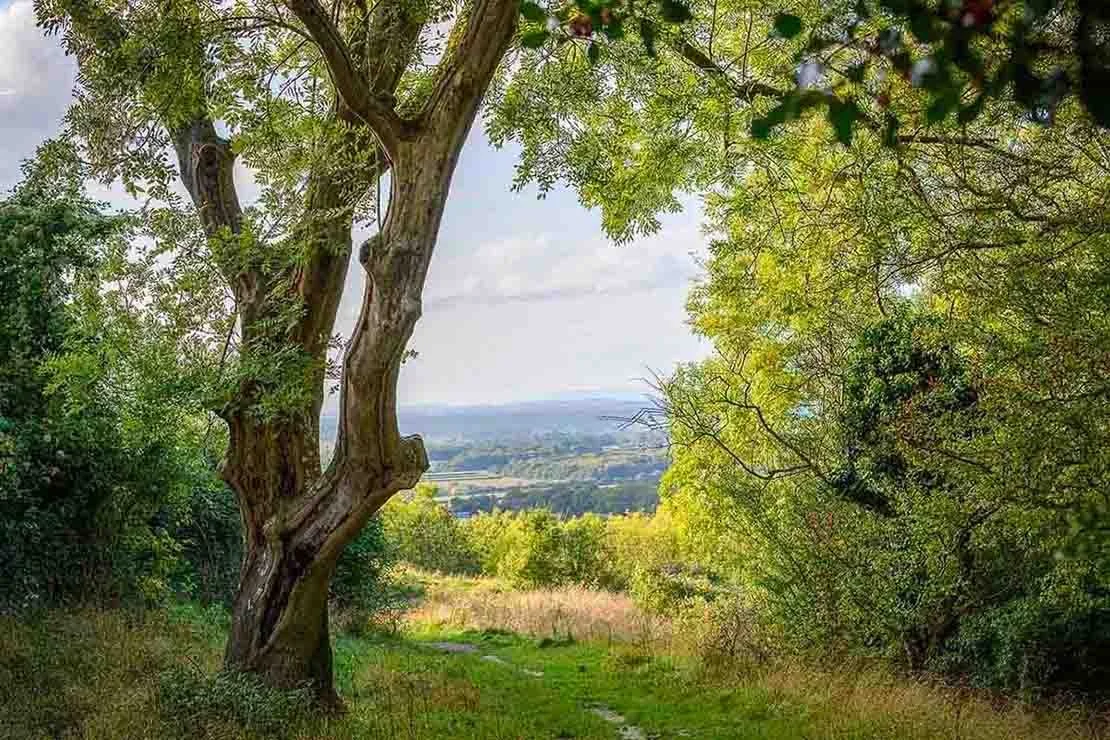
I also photograph regularly in the South Downs, where the appeal is very different from the Algarve.
The landscape is softer and more layered, with rolling fields, paths, distant ridges and changing weather. I am often drawn to the way light moves across the hills and separates one part of the landscape from another.
These photographs tend to rely less on dramatic colour and more on structure, tone and depth, which can work particularly well in print.



The Craft of Fine Art Printing
For me, printing is not just the final step after editing. The choice of paper, the way colour and tone reproduce, and the physical surface of the print all affect how the photograph is seen.
I use archival pigment inks and selected fine art papers, chosen according to the character of the image. Some photographs benefit from a smoother surface and stronger tonal separation; others work better on a matte paper with a softer appearance.
The printing is done through a colour-managed workflow, and I inspect each print before it is dispatched. That matters because a finished print should be judged as a physical object, not simply by how the image looked on screen.
Why Choose a Fine Art Print?
A fine art print is different from viewing the same photograph on a screen. Paper has its own surface, texture and tonal response, and those qualities can change the way an image feels.
A physical print also becomes part of the room in which it is displayed. Scale, colour and subject all matter, particularly when choosing work for a home or interior.
For that reason, I prefer to offer a relatively small collection of photographs that I believe work successfully in print rather than making every image available automatically.
Choosing a Photograph to Live With
The photographs I offer as fine art prints are selected because I believe they work successfully on paper, not simply because they look attractive on a screen.
Some rely on colour, some on texture, some on light or structure. What matters is that the image still holds your attention when it becomes a physical object and is viewed over time.
If you would like to see the current collection, you can browse the available fine art prints here.